
Millions of people in New York City and a large swath of the northeastern U.S. are stuck at home under road travel bans and blizzard warnings Monday as heavy snow and strong winds intensified, creating whiteout conditions in the densely populated region.
Snow fell at a rate of 2 to 3 inches (5 to 7.6 centimeters) an hour early Monday from New York through Massachusetts. Some areas have gotten well over a foot (30 centimeters) of snow since Sunday, along with wind gusts of over 30 mph (48 kph) and low visibility.
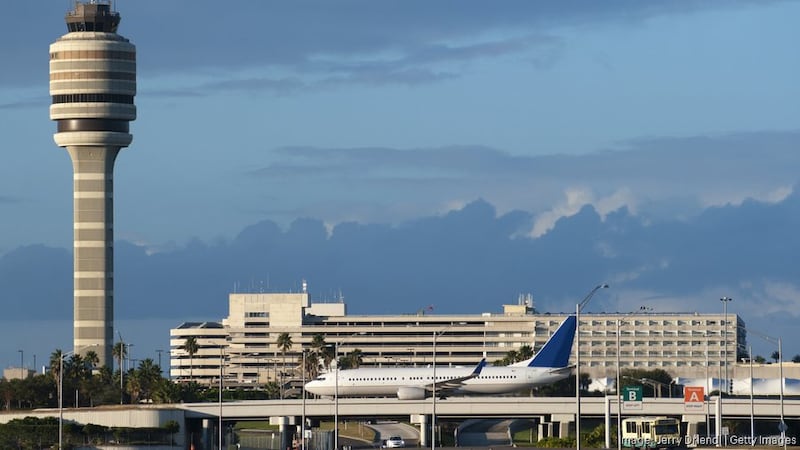
More than 5,000 flights in and out of the U.S. were canceled for Monday, according to the flight tracking website FlightAware. Most were canceled in New York, New Jersey and Boston.
Here's the latest:
‘Just gotta take small shovelfuls’
Vince Lisi was helping his neighbors shovel in Brooklyn.
“We’ve got a wide enough path for people to walk their dogs,” he said.
Lisi, a graphic designer in his early 60s, said the snow was heavy.
“I am out of breath, but I’m almost done,” he said, adding that he’d been out about 30 minutes. “I know I’ll be out here again.”
His tip? “Just gotta take small shovelfuls.”
‘It’s very quiet, except for the howling winds’
Most subways continued to operate in New York City, though rush hour crowds were largely absent.
In Lower Manhattan, snow shovelers appeared to outnumber commuting office workers, and pedestrians walked freely in streets normally blocked by morning traffic.
“It’s very quiet, except for the howling winds,” said Luis Valez, a concierge at a residential tower just off Wall Street, as he cleared the sidewalk. “A couple residents have gone out to get their essentials. Other than that, there’s nothing.”
Nearby, Pelle Andersson, an in-house chef at Spotify, stepped off a city bus.
“There won’t be anyone there, but we have to prepare for tomorrow,” he said, noting that he was Swedish and accustomed to extreme weather.
“This is the real deal, even for a Swede,” he added.
Other public transit services are suspended
DART — Delaware’s multi-modal transit system — says all services statewide will not operate Monday due to the storm.
The Southeastern Pennsylvania Transportation Authority’s regional Wilmington/Newark line is also temporarily suspended.
Travel bans in Rhode Island and Connecticut
Commercial vehicle travel restrictions are in place on all roads across both states. Vehicles transporting emergency supplies and/or emergency personnel are exempt from the restrictions.
New Jersey speed limits lowered
Speed limits on New Jersey interstates and state highways have been lowered temporarily to 35 mph (56.3 kph) under an emergency traffic regulation order.
The order started Sunday afternoon and includes the New Jersey Turnpike, Garden State Parkway and Atlantic City Expressway.
Public transit delays in New York
The Metropolitan Transportation Authority in New York City says some express trains are running local on Monday and riders should expect delays. Some delays could be severe, especially on lines running above ground.
Bus riders also should expect longer waits as articulated buses have been removed from service during the storm.
Meanwhile, Long Island Rail Road service has been fully suspended until further notice, while the Metro-North Railroad is operating on a reduced schedule in some areas.
Staying safe from winter weather dangers
What’s a bomb cyclone?
The weather service referred to the storm as a “classic bomb cyclone/nor’easter off the Northeast coast.” But what does that mean?
According to the U.S. National Oceanic and Atmospheric Administration, certain storms undergo bombogenesis, which happens when a storm's central pressure drops at least 24 millibars in 24 hours. These storms are sometimes called bomb cyclones. Storm intensity is measured by central pressure, so the lower the pressure, the stronger the storm.
Such rapidly strengthening storms can produce heavy rain, blizzard conditions and intense winds that can lead to downed trees and power outages.
Bomb cyclones can occur in any season, but primarily develop during fall and winter when frigid air from the Arctic can creep south and clash with warmer air masses.
Travel impacts
More than 5,000 flights in and out of the United States were canceled for Monday, according to the flight tracking website FlightAware. Most were canceled in New York, New Jersey and Boston.
Public transit also was suspended in some areas. And DoorDash announced it was suspending deliveries in New York City overnight.
“The combination of heavy snowfall and strong winds will continue to produce blizzard conditions along the Northeastern Seaboard,” the weather service said Monday. “Sharply reduced visibility will make travel extremely treacherous across these areas.”
Millions are stuck at home
Heavy snow and strong winds have intensified, creating whiteout conditions in a large swath of the northeastern U.S.
The National Weather Service called travel conditions “nearly impossible.”
Blizzard warnings stretched from Maryland to Maine. Cellphones across New York City received wailing push alerts Sunday night announcing a ban on non-emergency travel on all streets through noon Monday because of "dangerous blizzard conditions." Rhode Island and New Jersey implemented similar restrictions.
Reported snowfall
22.5 inches (57 centimeters) at New York, Long Island MacArthur Airport
About 15 inches (38 centimeters) fell in New York City’s Central Park
About 18 inches (46 centimeters) in Newark, New Jersey
17 inches (43 centimeters) in New London, Connecticut
17 inches (43 centimeters) in North Kingstown, Rhode Island
Copyright 2026 The Associated Press. All rights reserved. This material may not be published, broadcast, rewritten or redistributed without permission.